
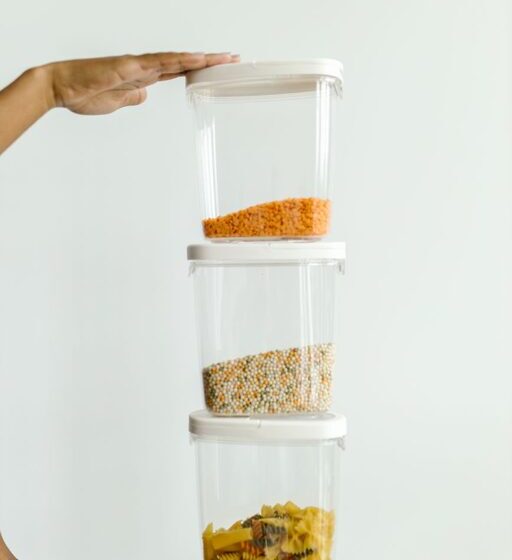

Planning meals from pantry staples is a smart and convenient way to prepare nourishing dishes without constant trips to the grocery store. Whether you have a fully stocked pantry or just a few basics, these ingredients can provide the foundation for countless meals. With a bit of creativity and simple strategies, you can turn shelf-stable items into hearty breakfasts, satisfying lunches, and comforting dinners.
In this guide, we’ll explore how to organize your pantry, identify versatile staples, and plan meals that are both tasty and budget-friendly.
Why Plan Meals from Pantry Staples?
Using pantry staples as the base for your meal planning comes with many benefits:
– Saves money: Buying staple items in bulk and using what you already have reduces unnecessary grocery spending.
– Reduces food waste: Planning around what’s on hand helps prevent unused ingredients from spoiling.
– Saves time: You can whip up meals quickly without last-minute shopping.
– Supports healthier eating: Preparing meals from scratch with basic ingredients often means less processed food.
Step 1: Take Stock of Your Pantry
Before planning meals, it’s important to know exactly what you have. Here’s how:
– Empty your pantry shelves: Lay everything out where you can see it.
– Group items by category: Such as grains, canned goods, baking supplies, spices, and snacks.
– Check expiration dates: Discard anything expired or stale.
– Make a list: Note down all usable items and quantities.
Having a clear inventory helps you visualize meal possibilities.
Step 2: Identify Versatile Pantry Staples
Some ingredients are exceptionally flexible and can be used in many types of dishes. Common pantry staples include:
– Grains: Rice, pasta, quinoa, oats
– Canned goods: Beans, tomatoes, tuna, coconut milk
– Baking basics: Flour, sugar, baking powder, oil
– Spices and herbs: Salt, pepper, garlic powder, paprika, dried basil
– Shelf-stable proteins: Lentils, chickpeas, nuts, nut butters
– Others: Broth cubes, soy sauce, vinegar, honey
Building meals around these staples allows for a wide variety of flavors and textures.
Step 3: Plan Balanced Meals
A satisfying meal usually includes:
– Protein: Beans, lentils, canned tuna, nuts, or eggs
– Carbohydrates: Rice, pasta, bread, or potatoes
– Vegetables: Fresh, frozen, or canned
– Fats: Olive oil, butter, or nuts for cooking and flavor
When you combine these elements, even simple pantry staples can become meals with depth and balance.
Step 4: Build a Weekly Meal Plan
Here’s a simple approach to planning meals using pantry items:
- **Choose your proteins:** For example, canned chickpeas, lentils, or canned tuna.
- **Pick your carbs:** Maybe rice or pasta.
- **Add vegetables:** Use frozen veggies or canned tomatoes and corn.
- **Incorporate flavor:** Use herbs, spices, garlic, and onion powders.
- **Plan at least one new recipe:** This keeps mealtime interesting.
Sample Weekly Plan Using Pantry Staples
– Monday: Lentil curry with rice and canned tomatoes
– Tuesday: Tuna pasta salad with olive oil, vinegar, and canned corn
– Wednesday: Chickpea stew with canned tomatoes and spices served with bread
– Thursday: Vegetable fried rice using frozen mixed veggies and soy sauce
– Friday: Bean chili with canned beans, tomatoes, and chili powder
– Saturday: Oat pancakes topped with honey and nuts
– Sunday: Pasta with garlic and oil and a side of canned green beans
Step 5: Use Recipes and Adapt as Needed
Look for recipes designed to use pantry staples or adapt your favorite dishes to rely less on fresh ingredients. For example:
– Swap fresh tomatoes for canned tomatoes in a sauce.
– Use canned beans instead of fresh or frozen.
– Replace fresh herbs with dried ones.
Don’t hesitate to mix and match ingredients based on what you have available.
Step 6: Keep a Running Shopping List
As you plan and cook, note any essentials you run out of or items you want to try next time. This helps you restock your pantry strategically and avoid impulse buys.
Bonus Tips for Pantry Meal Success
– Label your pantry: Use labels or clear containers for easy identification.
– Organize by expiration date: Place items that expire sooner at the front.
– Stock up on basics during sales: This reduces costs per meal.
– Freeze extras: Many cooked dishes or even some ingredients can be frozen to extend their life.
– Pair staples with fresh ingredients when possible: Even small amounts of fresh vegetables or herbs brighten a meal.
—
By planning meals from pantry staples, you can streamline your cooking routine and ensure that you always have options available. With thoughtful organization and a willingness to experiment, pantry ingredients can become the heart of your kitchen creativity. Happy cooking!