
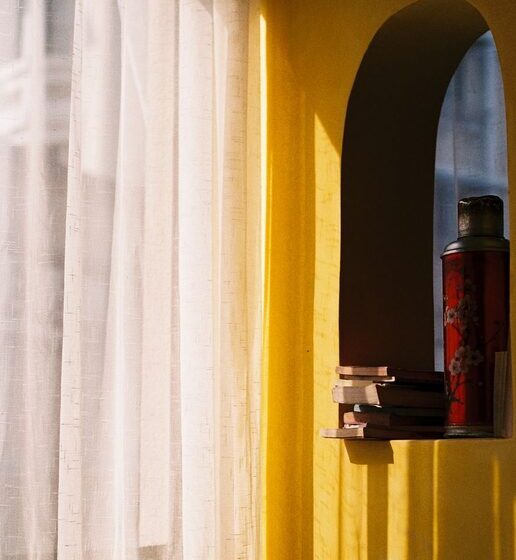

Creating a serene and welcoming environment at home often starts with the colors you choose. Calm colors have the power to soothe the mind, reduce stress, and make your living spaces feel more comfortable. Whether you’re repainting a room or selecting new decor, understanding how to choose calm colors can greatly enhance your home’s atmosphere. In this post, we’ll explore practical tips for selecting calming hues that suit your style and space.
Understanding Calm Colors
Calm colors are typically soft, muted shades that promote relaxation and tranquility. These can include:
– Blues: Light blues and soft teals often evoke a sense of peace and openness, reminiscent of the sky and ocean.
– Greens: Gentle greens connect with nature and can be very refreshing and soothing.
– Neutrals: Warm grays, beige, and off-whites provide a subtle backdrop that feels cozy without overwhelming.
– Pastels: Soft pinks, lavenders, and pale yellows can gently uplift while maintaining calmness.
When choosing your colors, aim for tones that feel restful to your eyes and harmonize well with your home’s lighting.
Tips for Choosing Calm Colors
1. Consider the Room’s Purpose
Different rooms benefit from different color moods. For instance:
– Bedrooms: Blues and greens work well to foster relaxation and sleep.
– Living Rooms: Soft neutrals or warm pastels create inviting spaces for conversation and unwinding.
– Bathrooms: Light blues or pale greens evoke cleanliness and calm.
– Home Offices: Soft, muted colors that reduce distractions, like light gray or subtle green, help concentration.
Think about what you want to feel in each space before picking your palette.
2. Test Colors in Different Lighting
Light changes how colors appear. Natural sunlight, incandescent bulbs, and LEDs all affect hues differently.
– Paint sample patches on your walls.
– Observe them during various times of day.
– Notice if the color feels calming or becomes too intense.
This step prevents surprises and ensures you pick a color that truly soothes.
3. Use Color Palettes for Balance
Creating a balanced palette helps maintain calmness without monotony.
– Start with a main calm color.
– Add complementary neutrals.
– Incorporate a few accents in soft shades to add interest.
For example, pair a soft green with warm beige and pale peach accents.
4. Prioritize Matte or Satin Finishes
Glossy finishes reflect light strongly and can feel harsh. Matte or satin finishes absorb light gently, promoting a softer, calmer feel to your walls and furniture.
5. Keep It Simple
Avoid too many contrasting colors or overly bright tones within a room. Simplicity in color choice supports a peaceful environment.
6. Incorporate Texture and Natural Elements
Colors don’t stand alone. Adding texture through fabrics, rugs, and natural materials like wood or stone can enhance the calming effect of your color choices.
For example, a soft gray painted wall pairs beautifully with a woven beige rug and wooden furniture.
7. Personalize Your Choices
While general color psychology gives guidance, personal preferences matter most. Choose shades that make you feel relaxed and happy.
Spend time browsing color swatches and sample paints. Trust your instincts about what feels calming to you.
Popular Calm Color Combinations
To inspire you, here are some popular combinations that homeowners find calming:
– Soft Blue + White + Light Wood: Creates a breezy, coastal feel.
– Sage Green + Cream + Soft Brown: Evokes a natural, earthy vibe.
– Pale Gray + Blush Pink + White: Offers a modern yet gentle ambiance.
– Lavender + Warm Beige + Light Gray: Feels elegant and soothing.
Final Thoughts
Choosing calm colors for your home can transform how you feel within your space. By considering each room’s function, testing colors in different lights, and keeping your palette balanced, you can create a peaceful haven that supports relaxation and joy every day. Remember to incorporate texture and natural elements and above all, trust what feels right for you.
With these tips, your home can become a sanctuary filled with calm, inviting colors that nurture your well-being. Happy decorating!